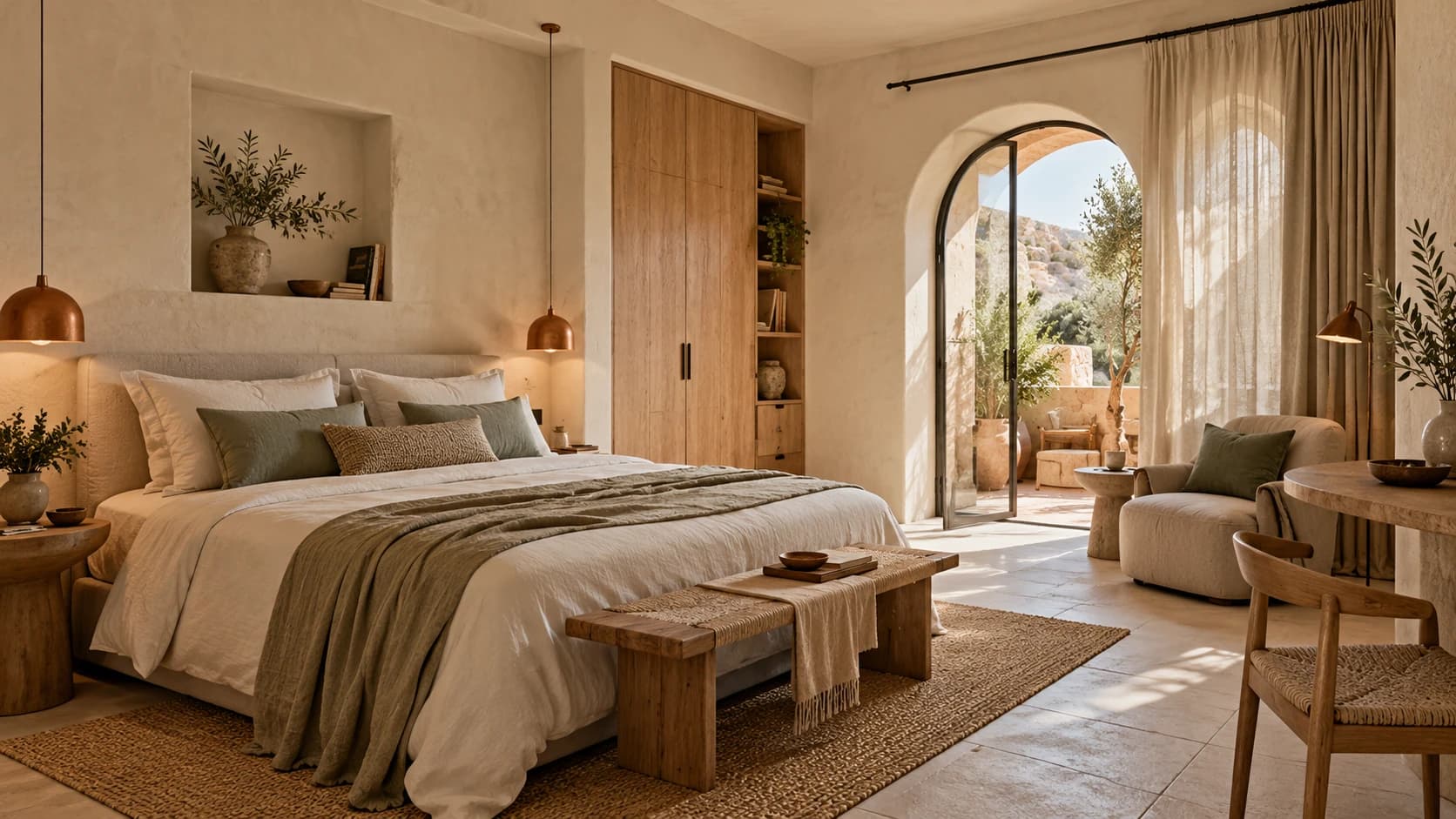
Designing the first impression of a stay
A guest’s first impression happens before the door opens. Photography should convey a possible experience without exaggerations that disappoint at arrival.
Read the story ↗Brand identity at human scale
Great commercial interiors do not simply enlarge a logo: they translate brand values into light, materiality, tactility and experience.
Read the story ↗
Light is a material, too
In a 3D image, light reveals more than texture: it establishes time, scale and the emotional reading of an interior.
Read the story ↗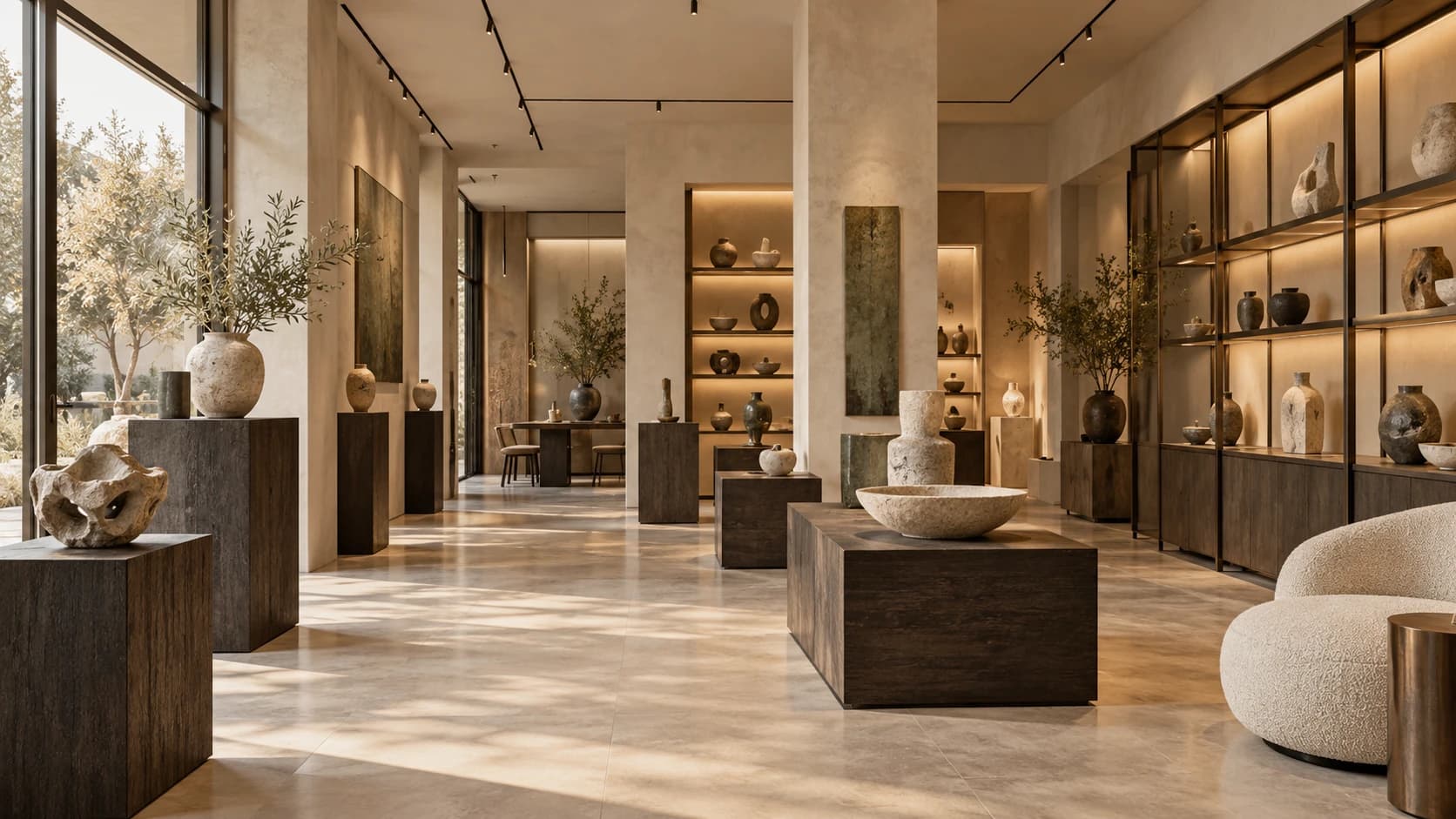
Building a coherent material library
Stone, timber, metal and fabric need to speak in the same light. A restrained material library often makes a stronger project than an extensive one.
Read the story ↗How to brief a 3D visualization
A strong brief reduces interpretation. Dimensions, photos, intended use, favourite materials and atmosphere references support accurate images.
Read the story ↗Hospitality: beauty that lasts
Hospitality aesthetics must coexist with cleaning, maintenance and turnover. Well-chosen objects should feel inviting and remain easy to care for.
Read the story ↗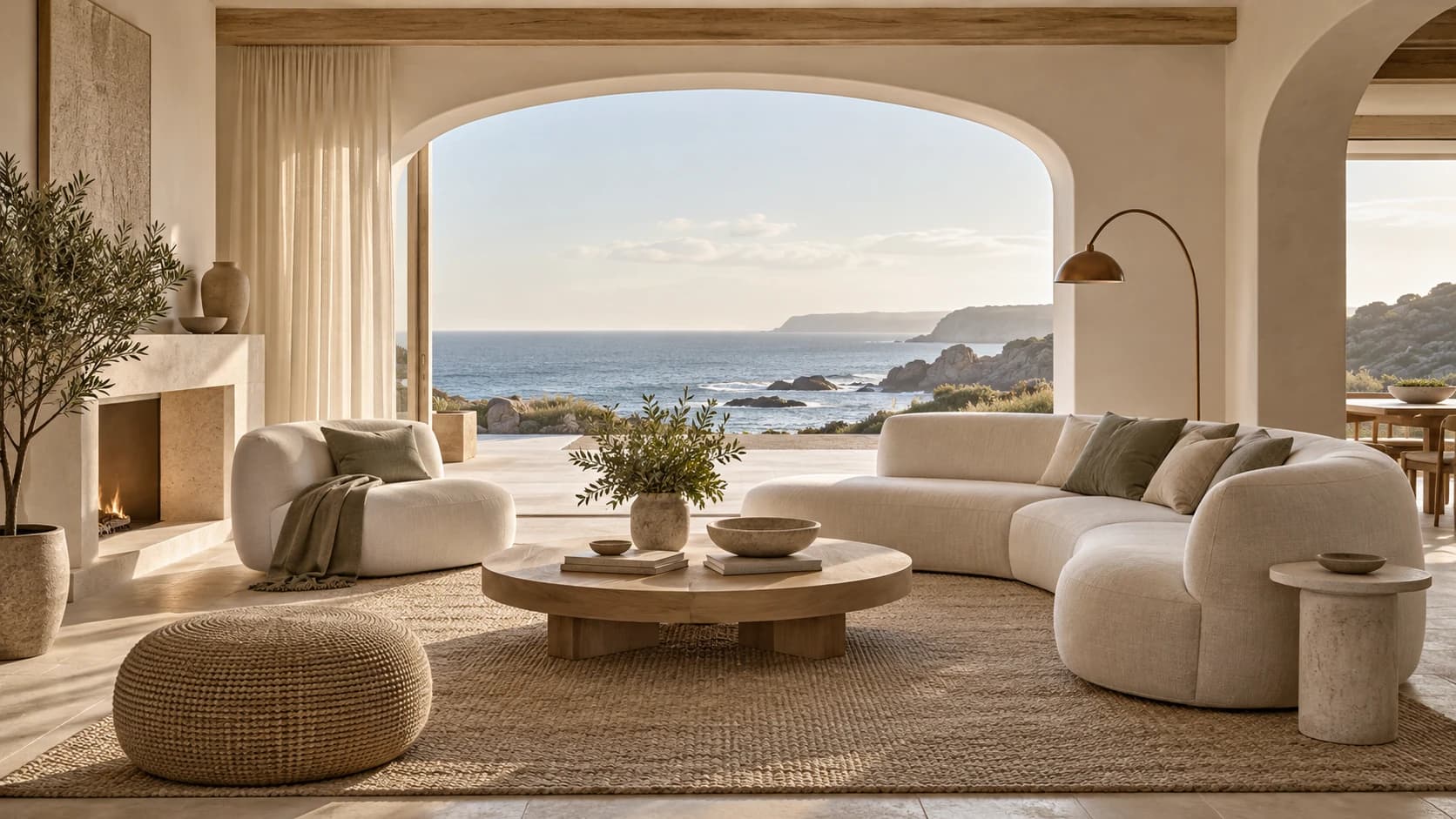
Small spaces, deliberate decisions
In compact interiors, every piece should earn its place. Light, storage and circulation matter more than an accumulation of objects.
Read the story ↗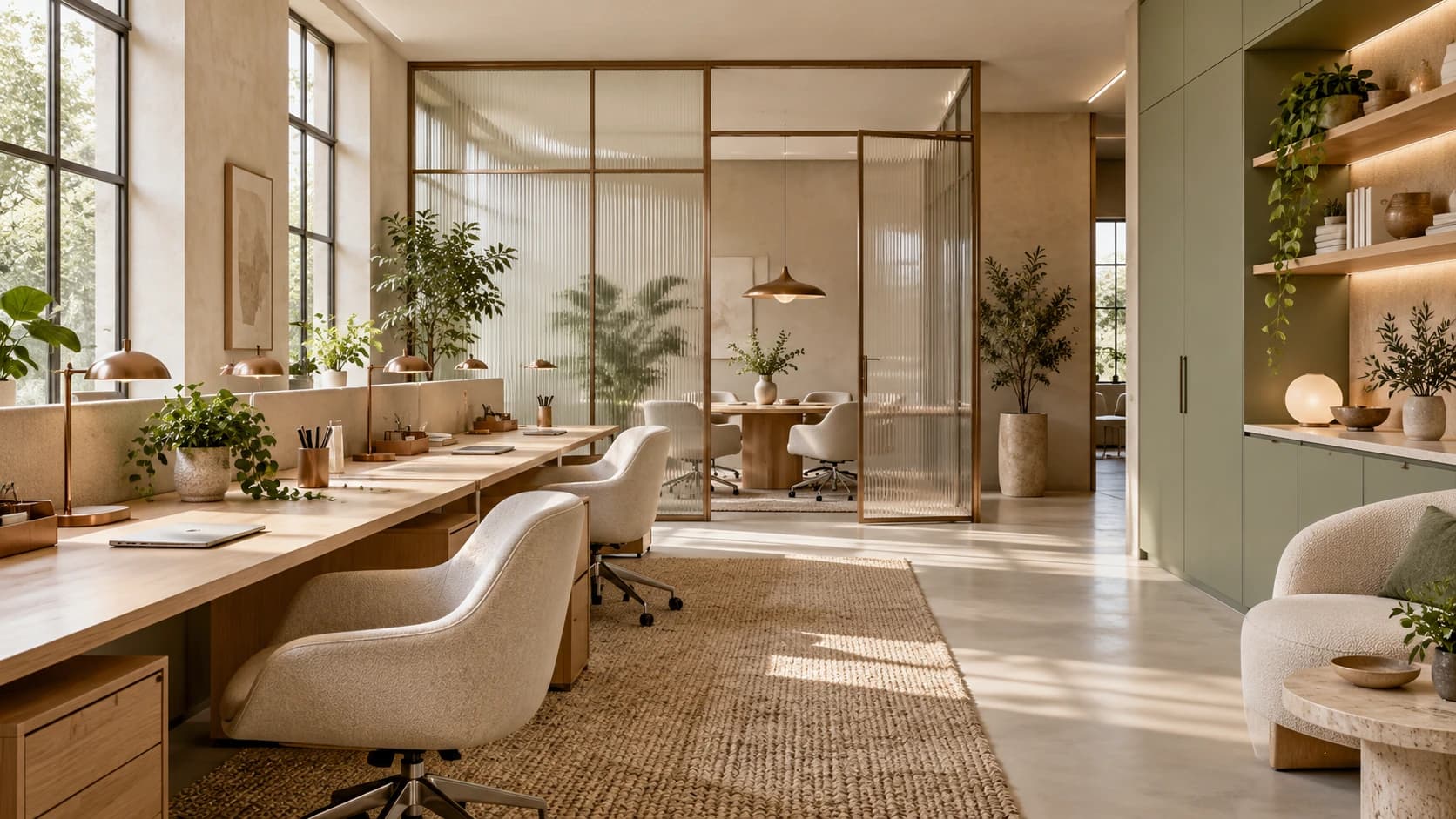
Commercial spaces that make sense
The visitor journey starts at the threshold. Display, waiting, payment and service zones shape comfort and the legibility of a commercial interior.
Read the story ↗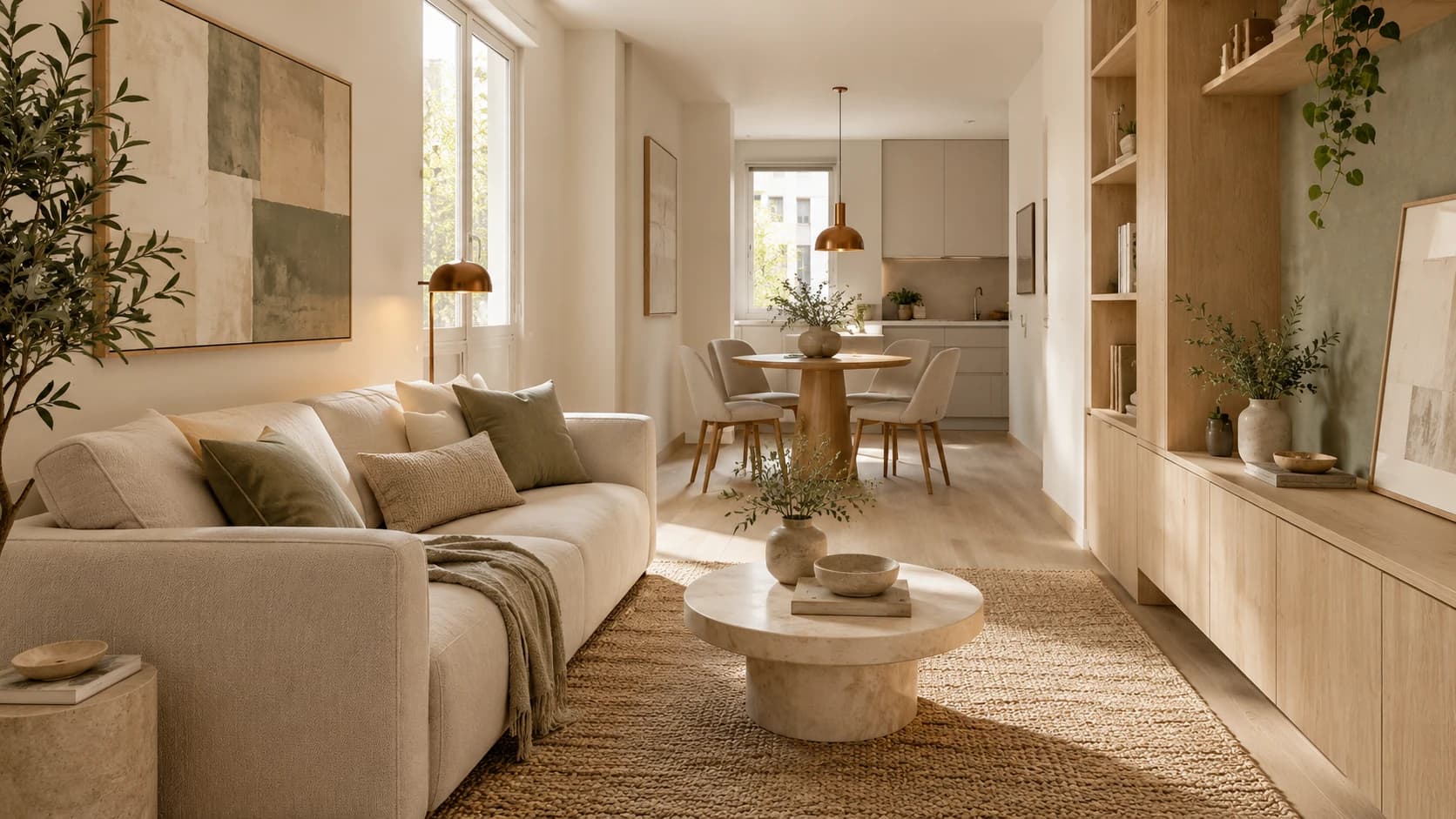
Virtual staging without false promises
Trust starts with clarity about which elements are virtual. Design can inspire without modifying windows, views or structural conditions.
Read the story ↗The room before furniture
The most persuasive image is not always the most decorated. Effective virtual staging starts with circulation, ceiling height, light and scale.
Read the story ↗